
Best Recovery Tools for Athletes: 2026 Guide
Last Updated: October 23, 2026
Quick Summary
Recovery tools for athletes include percussion massage guns, cold plunges, infrared saunas, foam rollers, and compression boots, each designed to reduce inflammation, improve mobility, or accelerate muscle repair. The most effective recovery tools for athletes are those matched to your specific sport and training load that you'll use consistently.
- Percussion massage guns cost $129-$200 and take 2-3 minutes per muscle group to reduce soreness.
- Cold plunge therapy ranges from $49-$199 and typically lasts 5-15 minutes at 39-59°F depending on experience level.
- Infrared saunas cost $2,099-$3,299 and provide deeper heat penetration than steam saunas for muscle recovery.
- Foam rollers are budget-friendly and require only 5-10 minutes per session for self-myofascial release.
- Distance runners benefit most from cold therapy and compression, while strength athletes prioritize percussion massage and heat therapy.
Table of Contents
- Recovery Tools for Athletes: Quick Comparison
- How to Choose Recovery Tools by Sport and Training Load
- Massage Gun for Athletes: Percussion Massage Benefits
- Cold Therapy and Ice Baths for Post-Workout Recovery
- Heat Therapy: Infrared Saunas and Steam Recovery
- Foam Roller for Recovery: Self-Myofascial Release Techniques
- Compression Boots for Athletes: When and How to Use Them
- Safe Use, Contraindications, and When to Seek Medical Care
- Frequently Asked Questions
Recovery Tools for Athletes: Quick Comparison
Athletic recovery isn't optional. Whether you're a runner, strength athlete, or weekend warrior, the tools you use between workouts directly impact how fast you bounce back and whether you can maintain training intensity.
The difference between a mediocre recovery routine and an elite one comes down to specificity. A foam roller works for some situations but not others; an ice bath reduces inflammation but isn't ideal for every athlete. The right approach combines modalities matched to your sport, training load, and recovery goals.
Below, we cover the recovery tools for athletes that matter most: what they do, when to use them, and which deliver the best value.
| Recovery Tool | Best For | Time Commitment | Cost Range |
|---|---|---|---|
| Percussion Massage Gun | Quick muscle activation and soreness relief | 2-3 minutes per muscle group | $129-$200 |
| Cold Plunge/Ice Bath | Post-workout inflammation reduction | 5-15 minutes | $49-$199 |
| Infrared Sauna | Deep muscle relaxation and circulation | 15-30 minutes | $2,099-$3,299 |
| Portable Steam Sauna | Heat therapy without permanent installation | 15-30 minutes | $119 |
| Foam Roller | Self-myofascial release and mobility | 5-10 minutes per session | Budget-friendly |
| Compression Boots | Targeted limb recovery and circulation | 20-30 minutes | Varies |
| Magnesium Body Butter | Post-workout muscle relaxation | Application time | $45.99 |
The most common mistake athletes make is treating recovery as an afterthought. The tools that work best are the ones you'll actually use consistently.

How to Choose Recovery Tools by Sport and Training Load
Choosing the wrong recovery tool wastes money. Start by understanding what your body actually needs after your specific training.
Distance runners and endurance athletes benefit most from tools that reduce inflammation and support circulation. Cold therapy works well because high-volume aerobic training creates systemic inflammation, while compression and contrast therapy accelerate recovery between long runs.
Strength athletes and powerlifters need different tools. Heavy resistance training creates localized muscle damage and soreness, which percussion massage, foam rolling, and heat therapy address by increasing blood flow to fatigued muscles. Cold therapy helps but is less critical than for endurance athletes.
Team sport athletes (soccer, basketball, football) need rapid turnaround between high-intensity efforts, making percussion massage and compression boots valuable between games. Many teams also use cold plunge and sauna for contrast therapy.
Training load matters as much as sport. Training once daily, basic tools (foam roller, stretching, magnesium) often suffice. Training twice daily or competing regularly, you need faster modalities like percussion massage, ice baths, and infrared saunas.

The recovery tools for athletes that deliver the best ROI are the ones you integrate without friction. A $3,000 infrared sauna sitting unused is worse than a $129 percussion massage gun you use after every session.
Massage Gun for Athletes: Percussion Massage Benefits
A massage gun delivers rapid, targeted percussion to muscle tissue, increasing blood flow and reducing soreness.
How massage guns work: Rapid oscillations increase circulation to the targeted muscle, accelerating nutrient delivery and metabolic waste removal. That's why athletes use them post-workout, during warm-ups, or between sets.
The practical advantage over traditional massage is speed: 2-3 minutes per muscle group versus 30-60 minutes for a professional massage. You control the intensity and target exactly where you need it, ideal for athletes with tight schedules.
What works well: Percussion massage reduces delayed-onset muscle soreness (DOMS) when used in the first few hours after training and is effective for warm-up activation before competition.
Where it falls short: Percussion massage doesn't replace stretching or mobility work. It's complementary, not a standalone strategy; athletes who skip movement quality miss half the recovery picture.
For most athletes, a percussion massage gun should be a first tool: the barrier to use is low and results are immediate.
Cold Therapy and Ice Baths for Post-Workout Recovery
Cold plunge therapy activates the body's cold shock response, reducing inflammation and accelerating recovery. Cold exposure constricts blood vessels, flushing metabolic waste from muscles; on exit, vasodilation brings fresh, oxygenated blood back to the tissues.
Live Your Best Life offers three ice bath options scaled to different needs. The Portable Oval Ice Bath Tub X ($49.00) works for taller athletes needing full leg extension. The Portable Ice Bath Tub Pro ($159.00) adds extra height for shoulder immersion. The Extra Large Ice Bath Tub X Pro ($199.00) accommodates users up to 6'5" with dual water chiller ports for precise temperature control.

The practical protocol: Start with 3-5 minutes at 50-59°F if you're new, building tolerance over weeks. Experienced athletes often use 10-15 minutes at 39-50°F.
What cold plunge actually does: It reduces post-workout inflammation and may accelerate muscle repair, and many athletes report a mental clarity boost.
When to skip cold therapy: Athletes with cardiovascular conditions or Raynaud's disease should consult a doctor first. People with high blood pressure should also check with their healthcare provider before regular cold plunge use.
The Portable Ice Bath Tub Pro includes ergonomic side handles for safe entry and exit.
Heat Therapy: Infrared Saunas and Steam Recovery
Heat therapy increases blood flow, promotes sweating, and reduces muscle tension (Clinical Effects of Regular Dry Sauna Bathing: A Systematic Review). Unlike cold therapy's acute inflammation reduction, it supports longer-term recovery and stress relief.
The Portable Steam Sauna Box ($119.00) from Live Your Best Life delivers heat therapy without permanent installation.
Infrared saunas penetrate deeper than steam. The Aurelo 2-Person Low EMF Indoor Infrared Sauna ($2,099.97) combines far-infrared heat with red light therapy at 660nm and 850nm wavelengths. For athletes serious about recovery infrastructure, the Valen Luxury 2-Person Infrared Sauna ($3,199.97) delivers 2000W of far-infrared heating with panoramic glass and premium audio.
The practical difference: Both steam saunas and infrared saunas increase circulation through different mechanisms.
What heat therapy actually delivers: Improved circulation, reduced muscle tension, and stress relief. Many athletes use sauna sessions as a mental reset, not just physical recovery.
The one gotcha: Heat therapy isn't appropriate immediately after intense training for all athletes. Some benefit from contrast therapy, alternating hot and cold. Others prefer spacing them out. Listen to how your body responds.
Foam Roller for Recovery: Self-Myofascial Release Techniques
Foam rolling applies sustained pressure to muscle tissue, releasing tension and improving mobility. Unlike percussion massage's rapid oscillations, it uses slow, deliberate pressure to address tightness and fascial restrictions.
Self-myofascial release works by applying pressure to trigger points, areas of muscle tension or adhesion.
The practical protocol: Spend 30-60 seconds per muscle group, moving slowly. Focus on the areas that feel most restricted. Avoid rolling directly over bones or joints. Most athletes foam roll for 5-10 minutes as part of a cool-down routine or on recovery days.
What foam rolling actually addresses: Muscle tightness, limited range of motion, and localized soreness.
Where foam rolling falls short: It doesn't replace stretching or active mobility work.
The accessibility advantage: A basic foam roller costs under $50 and requires no electricity or setup. This makes it the most practical first recovery tool for most athletes. Pair it with stretching and you've covered the basics of self-myofascial release.
Compression Boots for Athletes: When and How to Use Them
Compression boots apply sequential pressure to the legs, moving blood and lymphatic fluid toward the heart. This accelerates recovery by flushing metabolic waste from muscles and reducing swelling.
How compression works: The boots inflate and deflate in a wave-like pattern, starting at the feet and moving up the legs.
The practical use case: Compression boots work best for lower body recovery after high-impact training (running, plyometrics, team sports) or long competitions. A 20-30 minute session in compression boots can reduce next-day soreness and swelling.
When compression boots deliver the most value: After events or intense training sessions where leg soreness is the primary recovery concern.
The honest limitation: Compression boots are effective but not essential for most athletes. They're a premium recovery tool that accelerates what sleep and nutrition already accomplish.
Safe Use, Contraindications, and When to Seek Medical Care
Recovery tools are generally safe for healthy adults, but certain conditions require medical clearance before use.
Cold plunge therapy: Avoid if you have a history of heart conditions, high blood pressure, or Raynaud's disease without consulting your doctor first.
Heat therapy (saunas): Generally safe, but people with uncontrolled high blood pressure, pregnancy, or certain medications should check with their healthcare provider first.
Percussion massage: Safe for most athletes but avoid using directly over bones, joints, or areas with acute injury. Don't use on the spine or over the heart.
Foam rolling: Avoid rolling directly over bones, joints, or the lower back spine. If you have osteoporosis or recent injury, foam rolling may not be appropriate, consult a healthcare provider first.
When to seek medical care: If you experience chest pain, difficulty breathing, or unusual heart sensations during cold plunge or sauna use, exit immediately and seek medical attention.
The recovery tools for athletes work best when used as part of a comprehensive approach that includes adequate sleep, proper nutrition, and appropriate training periodization.
The recovery tools for athletes that actually work are the ones matched to your specific sport, training load, and recovery goals. Live Your Best Life offers the full spectrum of recovery equipment, from affordable foam rollers and percussion massage guns to premium infrared saunas and ice bath systems.
Frequently Asked Questions
What are the best recovery tools for athletes?
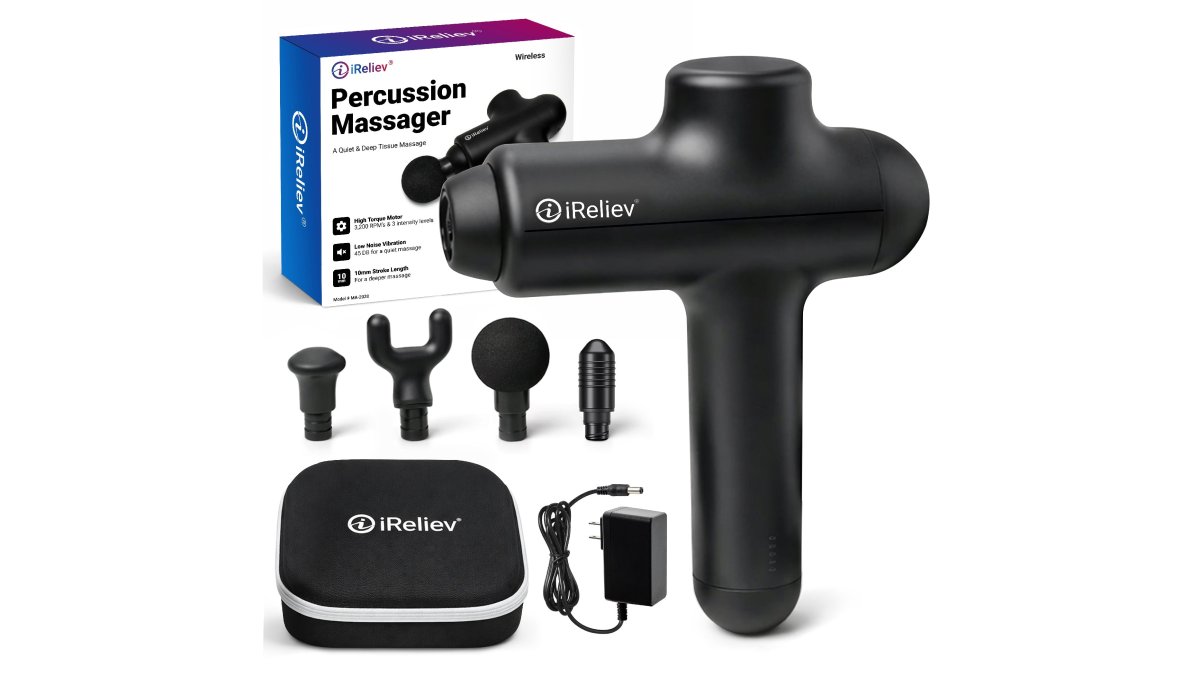
The best recovery tools depend on your sport and recovery goals. Massage guns like the iReliev Percussion Massage Gun ($129.95) reduce muscle soreness through percussion therapy. Cold plunge systems such as the Extra Large Ice Bath Tub X Pro ($199.00) decrease inflammation and speed muscle recovery. Infrared saunas promote circulation and relaxation. For most athletes, combining cold therapy, heat therapy, and percussion massage creates a complete recovery routine that addresses soreness, stiffness, and circulation.
Do massage guns help with muscle recovery?
Yes, massage guns increase blood flow to muscles and reduce delayed-onset muscle soreness (DOMS). The iReliev Percussion Massage Gun features three intensity levels and promotes increased blood flow throughout your body, helping you move with more ease and experience less pain. Most athletes see best results using a massage gun 1-2 minutes per muscle group, 2-3 times weekly after workouts or on rest days.
Are compression boots worth it for athletes?
Compression boots are worth considering if you train intensely or compete regularly. They enhance circulation, reduce swelling in the lower legs, and support recovery between sessions. However, they work best as part of a broader recovery strategy that includes cold therapy, heat therapy, and active mobility work.
How often should athletes use recovery tools?
Frequency depends on training intensity and your sport. For high-intensity training, use recovery tools daily: massage guns 1-2 times per day on sore areas, ice baths 2-3 times weekly (3-15 minutes per session), and heat therapy 3-4 times weekly. On lighter training days or rest days, reduce frequency. Start conservatively and increase based on how your body responds.
What recovery tools help with sore muscles after a workout?
Percussion massage guns provide immediate relief by promoting blood flow and reducing muscle tension. Cold plunge therapy (37-59°F for 3-15 minutes) decreases inflammation and DOMS. Heat therapy via infrared saunas or steam boxes increases circulation and muscle relaxation.
