
Best Anti-Aging Skincare 2026: Top Serums & Creams
Last Updated: October 22, 2026
Quick Summary
The best anti-aging skincare in 2026 pairs proven actives with barrier support and a realistic price per use. Our top picks include the Firming & Renewing PDRN Serum and Retinol Lifting & Firming Face Cream, both $12.99, plus daily broad-spectrum sunscreen. Build your anti-aging skincare routine around sunscreen and a retinoid first, then add serums and treatments as your skin tolerates them.
- Sun exposure remains the single largest driver of visible skin aging, according to the American Academy of Dermatology.
- Apply serums to slightly damp skin and let them set for 60 seconds before moisturizer.
- Start retinol two nights per week and build up, since nightly use at the start causes peeling.
- Retinol typically takes 8 to 12 weeks of consistent use before fine lines and texture visibly change.
- If you only buy two products, buy sunscreen and a retinoid.
Table of Contents
- Best Anti-Aging Skincare 2026: Quick Comparison
- How We Chose the Best Anti-Aging Skincare
- Best Anti-Aging Serums for Firmness and Glow
- Best Night Cream for Aging Skin: Overnight Repair
- How to Build an Anti-Aging Skincare Routine
- How Long Does Retinol Take to Work?
- Budget vs. Luxury: What Actually Changes Results
- Frequently Asked Questions
Best Anti-Aging Skincare 2026: Quick Comparison
Finding the best anti aging skincare in 2026 starts with one honest admission: no single product fixes everything. At Live Your Best Life, we sell skincare, fitness gear, and outdoor equipment to people who want their routines to actually fit their lives. That perspective shapes how we evaluate formulas. We look for multi-tasking ingredients, realistic price points, and textures that survive a real morning.
According to the American Academy of Dermatology's guidance on aging skin, sun exposure remains the single largest driver of visible skin aging. That fact alone should reorder your priorities. Below, we break down our top picks, explain how we chose them, and show you how to build an anti-aging skincare routine that holds up on a busy schedule.
| Product | Price | Best For | Key Ingredients |
|---|---|---|---|
| Firming & Renewing PDRN Serum | $12.99 | Dull, tired skin with wrinkles | Peptides, salmon DNA |
| Retinol Lifting & Firming Face Cream | $12.99 | Overnight firming | Retinol |
| Deep Moisture Collagen Face Cream | $12.99 | Daily hydration | Marine collagen, hyaluronic acid |
| Firming & Lifting Collagen Moisturizer | $21.99 | Loss of firmness | Collagen, retinol, peptides |
| 12% Niacinamide Smooth & Glow Pads | $14.99 | Dehydrated, uneven texture | Niacinamide, 4 hyaluronic acids |
| Face & Body Serum for Dark Spots | $16.95 | Hyperpigmentation | Tranexamic acid, vitamin C |
| Collagen Neck Firming Cream Massager | $14.95 | Neck lines, crepey texture | Collagen, Gua Sha roller |
| 24K Gold V-Line Lifting Mask (20 pcs) | $44.95 | Jawline definition | Retinol, hyaluronic acid |
| Hyaluronic Acid V-Line Lifting Mask (10 pcs) | $39.95 | Sagging jawline, double chin | Hyaluronic acid, marine collagen, retinol |
| Duma Mbili Tallow & Honey Balm | $28.99 | Dry, rough skin | Grass-fed tallow, raw honey, beeswax |
How We Chose the Best Anti-Aging Skincare
We built this list around ingredient evidence, not marketing language. Formulas earned a spot if they paired a proven active with a delivery system that makes sense for daily use.

Our criteria, in order of weight:
- Active ingredients with published support. Retinoids, peptides, hyaluronic acid, niacinamide, and antioxidants all have real research behind them.
- Barrier support. Aggressive actives without soothing ingredients cause inflammation, which accelerates skin thinning.
- Realistic price per use. A $12.99 cream you actually finish beats a luxury jar that sits untouched.
- Texture and wearability. A serum that pills under sunscreen gets abandoned by week two.
What most guides miss: clinical efficacy depends on concentration and stability, not on the ingredient appearing somewhere on the label. A peptide listed after fragrance does very little.
Best Anti-Aging Serums for Firmness and Glow
The best anti-aging serums combine a firming active with a brightening one, because dullness and laxity usually show up together. Our top pick is the Firming & Renewing PDRN Serum ($12.99). Its multi-peptide formula targets wrinkles and rough texture while brightening an uneven complexion, and it suits dry, oily, combination, and sensitive skin.
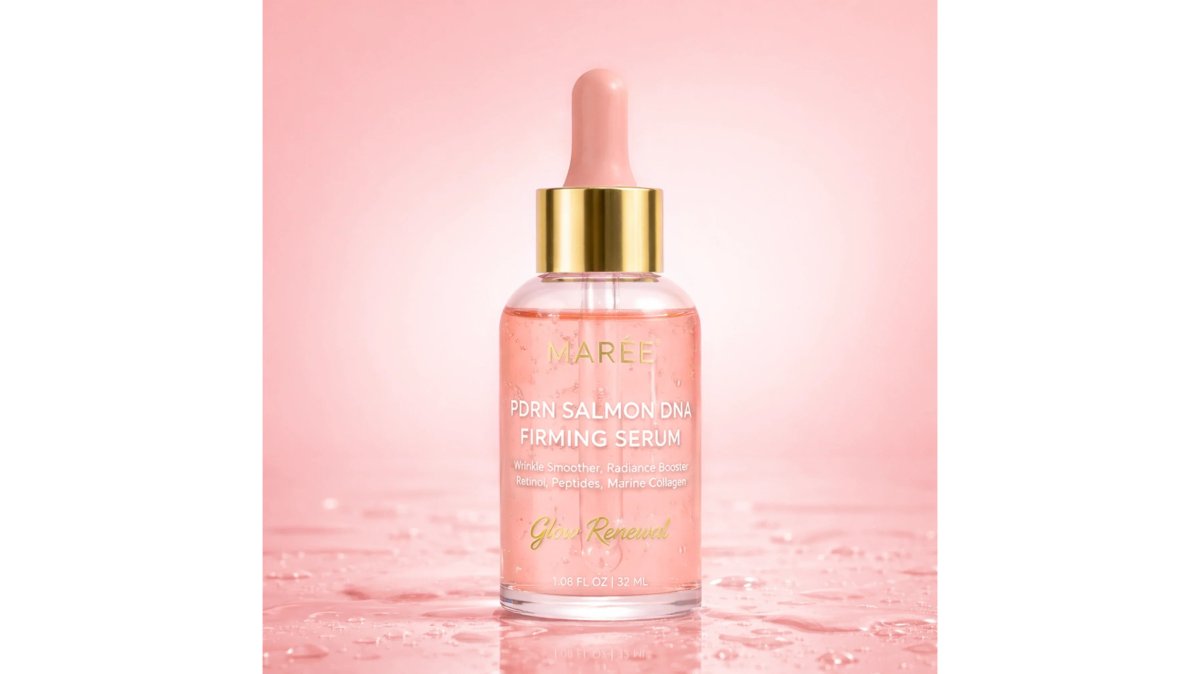
For dark spots and post-acne marks, the Face & Body Serum for Dark Spots ($16.95) uses tranexamic acid and vitamin C. It brightens without the drying sting that weaker vitamin C formulas often cause.

Best Night Cream for Aging Skin: Overnight Repair
Overnight is when skin does its repair work, so the best night cream for aging skin should support cellular turnover without wrecking your barrier. The Retinol Lifting & Firming Face Cream ($12.99) is our pick. Its advanced retinol formula enhances skin renewal to reduce fine lines and sculpt facial contours while you sleep.

The Firming & Lifting Collagen Moisturizer ($21.99) takes a broader approach, combining marine collagen, retinol, peptides, and amino acids for a 24-hour moisture lock and an instant lifting effect. For very dry or reactive skin, the Duma Mbili 100% Grass-Fed Tallow & Honey Balm ($28.99) replenishes the moisture barrier with tallow, olive oil, raw honey, and beeswax.
How to Build an Anti-Aging Skincare Routine
A workable anti-aging skincare routine is less about how many products you own and more about the order you apply them and how you phase in the actives.
Morning (four steps):
- Gentle cleanser, or just rinse with lukewarm water if your skin is dry or reactive.
- Antioxidant serum, the Firming & Renewing PDRN Serum ($12.99) works here; vitamin C serums also fit this slot.
- Moisturizer, the Deep Moisture Collagen Face Cream ($12.99) is light enough to wear under makeup.
- Broad-spectrum sunscreen, SPF 30 or higher. This is the step that protects every other step's investment.
Evening (three steps):
- Cleanse, double-cleanse only if you wore sunscreen and makeup; a single gentle cleanse is enough otherwise.
- Treatment, alternate between the Retinol Lifting & Firming Face Cream ($12.99) and the Face & Body Serum for Dark Spots ($16.95) rather than layering both on the same night.
- Barrier moisturizer or balm, the Duma Mbili Tallow & Honey Balm ($28.99) is the heaviest option and best reserved for dry or winter-stressed skin.
Order of application, thinnest to thickest. Water-based serums go before creams; occlusive balms go last. If you apply a rich cream before a watery serum, the serum has nowhere to go and mostly sits on top.
Ingredient conflicts to respect. Retinol and strong acids (glycolic, salicylic, lactic) in the same evening routine increase irritation without adding benefit, alternate nights instead.
Phasing in actives. A common pattern among practitioners is to introduce one new active every two to three weeks, not all at once. Start with a retinoid two nights per week, add a brightening serum on alternate mornings after two weeks, and only then consider an exfoliating pad. If something stings, back off for a week rather than pushing through, inflammation is the opposite of anti-aging.
Firming & Renewing PDRN Serum →
Timing between steps. You do not need to wait 20 minutes between every layer. A 60-second pause after serum is enough for most formulas.
Sun protection is non-negotiable. The Skin Cancer Foundation's sun protection guidance notes that daily SPF use significantly reduces visible photoaging over time. Skipping it undoes everything your serums accomplish, and no layering strategy compensates for a missing sunscreen step.
How Long Does Retinol Take to Work?
Retinol typically takes 8 to 12 weeks of consistent use before you see meaningful change in fine lines and texture. The first four weeks often bring mild dryness or flaking, which is adjustment, not failure.
Concentration matters more than the label. A 0.1% retinol and a 1% retinol are not the same product.
Troubleshooting the adjustment period.
- Flaking and tightness in weeks 1-4 are common. Reduce frequency to twice weekly and buffer with moisturizer applied before the retinol (the "retinol sandwich").
- Persistent redness or stinging that lasts more than a few days is a signal to stop for a week, not to push through.
- Avoid pairing retinol with strong acids, benzoyl peroxide, or physical scrubs on the same night.
- Apply to dry skin, not damp skin, water increases penetration and irritation.
- Use it at night only; retinol degrades in sunlight, and the point of the evening slot is that it does not compete with your sunscreen.
What improvement actually looks like, in order. Most people notice smoother texture first (weeks 4-6), then more even tone (weeks 6-10), then softening of fine lines (weeks 10-16). If you are expecting prescription-level results from an over-the-counter jar, the FDA's consumer information on cosmetic vs. drug claims is worth reading, skepticism about marketing claims is healthy here.
A realistic 12-week plan. Weeks 1-2: retinol twice weekly, buffered with moisturizer. Weeks 3-4: three times weekly if tolerated. Weeks 5-8: every other night. Weeks 9-12: nightly if your skin is comfortable.
Budget vs. Luxury: What Actually Changes Results
Spending more does not automatically buy better skin. What changes between a $12.99 cream and a $200 cream is usually packaging, fragrance, texture, and marketing, not the active ingredient's ability to reach your dermis.
Where luxury sometimes earns its price: stabilized retinoid delivery systems, elegant textures that encourage daily use, and clinical testing data. Where it rarely earns it: basic humectants and occlusives, which are cheap to produce at any tier.
Our honest read: the Deep Moisture Collagen Face Cream at $12.99 delivers marine collagen and hyaluronic acid to all skin layers. That is the job. Paying more buys a nicer experience, and a nicer experience you will actually repeat is worth something. Just do not confuse the two.
The hardest part of anti-aging skincare is not finding products. It is sticking with a routine long enough to see results, and most people quit at week five, right before the payoff. Live Your Best Life curates skincare that fits an active life, with fast shipping, easy returns, and secure payments so trying something new carries no real risk.
Frequently Asked Questions
What skincare is best for aging skin?
The most effective anti-aging skincare combines a few proven ingredients rather than a long list of products. Look for retinoids to support cellular turnover, peptides and collagen to support firmness, hyaluronic acid for hydration, and antioxidants like vitamin C for protection against photoaging. A consistent anti-aging skincare routine with a gentle cleanser, treatment serum, moisturizer, and daily sun protection covers most concerns, including fine lines, wrinkles, and loss of skin elasticity.
How long does it take for anti-aging skincare to work?
Most anti-aging ingredients need consistent use before you see visible change. Hydration from hyaluronic acid can show up within days, but fine lines, wrinkles, and skin texture typically need 8 to 12 weeks of daily use. Retinol is slower because it works through cellular turnover, so plan on 12 weeks or more for firmness and smoothing results. Take photos every few weeks in the same lighting to track real progress rather than judging day to day.
What is the best night cream for aging skin?
The best night cream for aging skin supports barrier repair and moisture retention while you sleep. Look for formulas with retinol or peptides for firming, plus ceramides, hyaluronic acid, or collagen for hydration. A richer texture suits dry or mature skin, while lightweight creams work for oily and combination types. Apply after your serum and give it 8 to 12 weeks of nightly use before judging results on fine lines and skin elasticity.
Can sunscreen help prevent visible signs of aging?
Yes. Daily sun protection is the single most reliable step in any anti-aging skincare routine. UV exposure drives photoaging, which shows up as fine lines, hyperpigmentation, and loss of skin elasticity over time. A broad-spectrum sunscreen with an SPF of 30 or higher, applied every morning and reapplied during long outdoor hours, protects the collagen and elastin that keep skin firm. Pair it with antioxidants for added defense against daily environmental stress.
Do budget anti-aging products work as well as luxury ones?
Ingredient quality and formulation matter more than price. Many affordable serums and creams include the same actives found in higher-priced products, such as retinoids, peptides, hyaluronic acid, and niacinamide. What you often pay extra for at luxury price points is texture, packaging, and fragrance, not necessarily clinical efficacy. Check the ingredient list for proven actives and a stable formula, then judge results over 8 to 12 weeks of consistent use.