
What Gear Does a Beginner Need for an Outdoor Adventure?
Last Updated: October 25, 2026
Quick Summary
Beginner outdoor adventure gear focuses on five core categories: shelter, sleep system, backpack, water and hydration, and clothing. You don't need premium versions of everything; instead, buy quality in shelter and sleep systems where it matters most, and budget-friendly options for items you'll upgrade later.
- Day hikes need a 15-25 liter backpack, while overnight trips require 40-50 liters and multi-day adventures need 50-70 liters.
- A three-season tent with sealed seams and full rainfly is ideal for beginners, with setup time under 10 minutes.
- Start with a 20-degree sleeping bag for three-season camping and pair it with an inflatable sleeping pad for comfort and insulation.
- Treat all water from natural sources using a lightweight water filter to prevent waterborne illnesses like giardia and cryptosporidium.
- The 10 Essentials framework includes navigation, sun protection, insulation, illumination, first aid, fire, shelter, extra food, extra water, and repair kit.
Table of Contents
- Essential Gear for Your First Outdoor Adventure
- Backpacks and Carrying Capacity: Finding the Right Size
- Shelter: Tents and Sleeping Systems
- Water, Hydration, and Filtration Essentials
- Beginner Hiking Gear Checklist by Trip Type
- The 10 Essentials for Hiking and Safety
- Beginner Backpacking Gear List: Food, Cooking, and Navigation
- Essential Camping Gear for Beginners: Clothing and Weather Protection
- Frequently Asked Questions
Essential Gear for Your First Outdoor Adventure
Starting an outdoor adventure as a beginner can feel overwhelming. The gear options seem endless, the terminology confusing, and the cost daunting. But here's what matters: you don't need everything at once.
The key is understanding what actually matters for your specific trip type, then building from there.
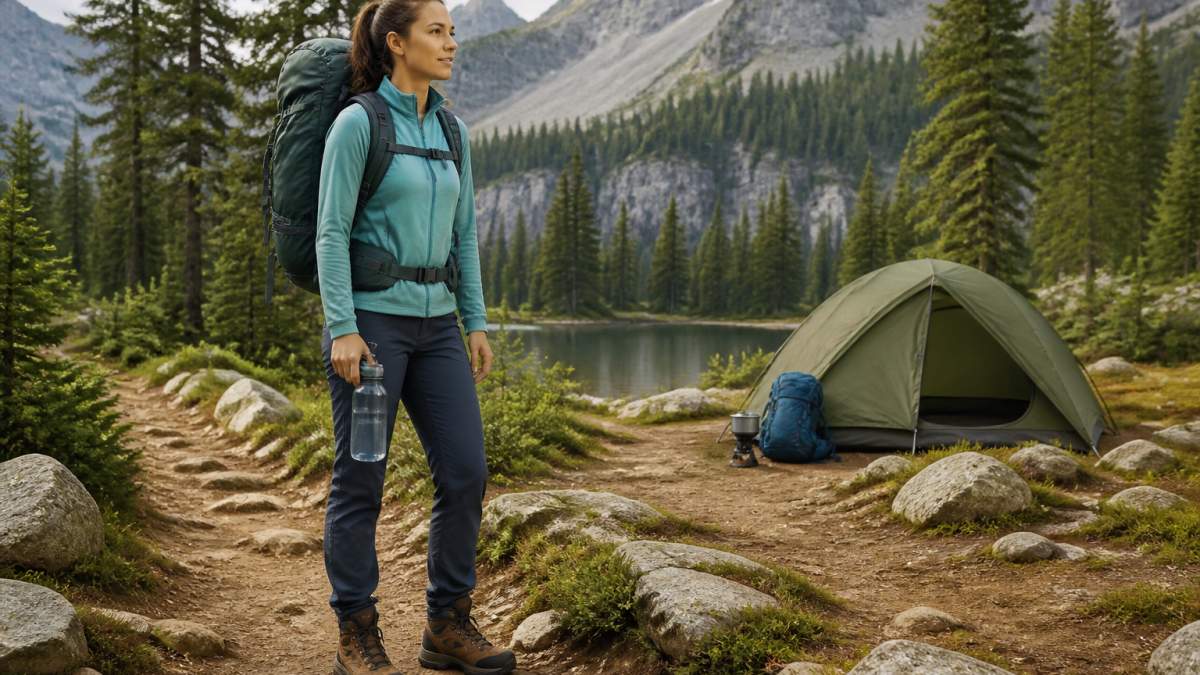
The Core Categories That Matter
Your beginner outdoor adventure gear list breaks down into five core categories: shelter, sleep system, backpack, water and hydration, and clothing. Everything else is either supporting these essentials or addressing a specific trip type.
Shelter keeps you protected from weather and insects. A sleeping bag or quilt handles temperature regulation at night. Your backpack carries everything. Water and hydration gear keep you safe in the field. Clothing layers adapt to changing conditions.
The mistake most beginners make is buying premium versions of everything. That's expensive and unnecessary.
Backpacks and Carrying Capacity: Finding the Right Size
Your backpack is the foundation of every trip. Get this wrong, and everything else feels miserable.
For day hikes, a 15-25 liter pack is plenty. You're carrying water, snacks, a light layer, and maybe a headlamp.
Fit matters more than brand.
Live Your Best Life carries the 19qt Camping Backpack Cooler, which works well for shorter trips where keeping food and drinks cold matters.

Pack weight adds up fast. Beginners often carry 35-45 pounds on their first trip. Experienced hikers aim for 20-25 pounds.
Choose your backpack size based on how long you'll be out on the trail.
| Trip Type | Backpack Size | Best For |
|---|---|---|
| Day hikes | 15-25 liters | Water, snacks, light layer, headlamp |
| Overnight trips | 40-50 liters | Tent, sleeping bag, cooking gear, food |
| Multi-day adventures | 50-70 liters | Extended trips with more supplies |
| Experienced hikers | 20-25 pounds | Ruthless editing and careful packing |
| Beginner hikers | 35-45 pounds | Typical starting weight before optimization |
Shelter: Tents and Sleeping Systems
Tents for Beginners
A tent is your most critical piece of gear. It protects you from rain, wind, insects, and cold. For beginners, prioritize weather protection and ease of setup over weight or ultralight design.
A three-season tent handles spring, summer, and fall. It's lighter and cheaper than a four-season tent, which you won't need unless you're winter camping.
Setup time matters more than you'd think. The Live Your Best Life 5.5-6.7ft Easy Setup Pickup Truck Bed Tent sets up in about 10 minutes and accommodates 2-3 people, making it practical for family trips or group camping.
Tent size is a common mistake. A two-person tent is tight for two people plus gear. If you're backpacking solo, a two-person tent is fine. If you're with a partner, consider a three-person tent.
Sleeping Bags and Sleep Pads
A sleeping bag keeps you warm at night. A sleeping pad insulates you from the ground and adds comfort.
Temperature rating is the key spec. A 20-degree bag means you'll stay warm in 20-degree conditions if you're wearing a base layer and using a pad. Beginners should start with a 20-degree bag for three-season camping.
Sleeping pads come in three types: foam (cheap, durable, bulky), inflatable (comfortable, lighter, needs a pump), and hybrid (combines both). For beginners, an inflatable pad with a hand pump is the sweet spot. It's comfortable, reasonably priced, and easy to pack.
A common mistake is buying a sleeping bag rated for temperatures you'll rarely encounter. A 0-degree bag is overkill for summer camping and costs twice as much. Buy for the conditions you'll actually face.
Water, Hydration, and Filtration Essentials
Water is non-negotiable. Dehydration degrades performance, clouds decision-making, and ruins trips. Carry more than you think you need.
A water bottle or hydration pack holds water. For day hikes, a 32-ounce bottle is adequate. For longer trips, carry 2-3 liters and refill from streams or lakes.
Water treatment prevents illness from pathogens in natural water sources. Three methods work: boiling (slow), chemical tablets (fast, affordable), or filtration (lightweight, effective).
Don't skip water treatment because the water looks clean. Giardia and cryptosporidium are invisible. One bad case of waterborne illness ruins your trip and weeks after. Treat all water from natural sources.
Beginner Hiking Gear Checklist by Trip Type
Not every trip needs the same gear. A day hike is fundamentally different from an overnight camp. Matching your gear to your trip type prevents overpacking and unnecessary expense.
Day Hike Essentials
For a day hike lasting 4-8 hours, you need: a small backpack (15-25 liters), water and a bottle, snacks, a light layer, a headlamp or flashlight, a basic first aid kit, and navigation (map or GPS device).
Many beginners skip the headlamp because they plan to be back before dark. Weather delays happen. Unexpected trail confusion happens. A small headlamp weighs almost nothing and prevents a dangerous hike out in darkness.
Navigation on familiar trails is optional. On unfamiliar trails, a map and compass or a GPS device are essential. Phone GPS works but drains batteries fast in remote areas.
MOJAB First Aid Kit - 151 pieces →
A basic first aid kit handles minor cuts, blisters, and scrapes. The Live Your Best Life 25pcs Pack Safe Camping Hiking Car First Aid Kit at $28.18 includes scissors, tweezers, gauze, bandages, and antiseptic wipes in a compact 18 x 13.5 x 5.5cm bag that fits easily in a day pack.

Overnight Camping Trip
For an overnight trip, add: a tent, a sleeping bag, a sleeping pad, a camp stove and cookware, food, and a headlamp with extra batteries.
The sleeping system (bag and pad) is your biggest investment. Don't cheap out here. A cold night ruins the entire trip.
A camp stove and cookware let you cook meals and boil water for purification.
Pack food that's lightweight, calorie-dense, and doesn't require refrigeration. Rice, pasta, instant oatmeal, nuts, and dried fruit are beginner staples. Avoid heavy canned foods on your first trips.
The 10 Essentials for Hiking and Safety
The 10 Essentials is a framework developed by outdoor organizations to ensure you're prepared for emergencies. It's not a shopping list, it's a safety philosophy.
You probably already own most of these. The point is intentionality. Before every trip, run through the list and confirm you have each item.
An emergency blanket weighs almost nothing and can save your life if you're stuck overnight. It reflects your body heat back to you.
A repair kit prevents small problems from becoming trip-ending disasters. Include duct tape, a small sewing kit, a multi-tool, and a few feet of paracord.
Beginner Backpacking Gear List: Food, Cooking, and Navigation
Cooking in the backcountry is simpler than at home. You're boiling water and rehydrating meals, not creating gourmet dishes.
Cooking Gear and Food Preparation
A lightweight camp stove, a pot, and a spoon are your core cooking tools.
A pot that doubles as a mug saves weight and space. A titanium pot is lighter than aluminum but costs more. For beginners, aluminum is fine.
Bring a lighter or waterproof matches. Backup fire-starting methods prevent disaster if your primary method fails.
Meals should be lightweight and require minimal water. Instant rice, pasta, oatmeal, and dehydrated meals are beginner staples.
Food storage matters in bear country. A bear bag or bear canister keeps your food away from wildlife and prevents bears from associating humans with food.
Navigation and Lighting
A map and compass are the foundation of backcountry navigation. They don't require batteries and work in any weather. A GPS device or smartphone GPS is useful but shouldn't be your only navigation tool.
Learn to read a map before your first trip. Understanding contour lines, scale, and compass direction takes an hour of study and prevents getting lost.
A headlamp is essential. It lets you navigate safely after dark, set up camp in low light, and handle emergencies. LED headlamps run for 30+ hours on a single set of AA batteries. Bring extra batteries.
Essential Camping Gear for Beginners: Clothing and Weather Protection
Clothing is where beginners make the biggest mistakes. Most bring too much and wear the wrong layers.
Cotton holds moisture and loses insulation when wet. Avoid cotton for outdoor adventures. Synthetic fabrics and merino wool dry fast and maintain warmth when damp.
Bring one extra layer of everything. If you get wet or the temperature drops, you have a backup.
Footwear matters. Hiking boots or trail shoes with good traction and ankle support prevent injuries on uneven terrain.
A hat and gloves are small items that prevent heat loss. You lose a huge amount of body heat through your head and hands.
Frequently Asked Questions
What gear does a beginner need for an outdoor adventure?
Start with the essentials: a backpack (20-30 liters for day hikes), water bottle or hydration system, shelter (tent or truck bed tent), sleeping bag, sleeping pad, first aid kit, navigation tools, and weather-appropriate clothing. The MOJAB First Aid Kit ($49.90) includes 151 pieces covering wound care, emergency supplies, and tools. For overnight trips, add a cooler like the 19QT Camping Backpack Cooler ($56.90) to keep food and drinks safe. Prioritize items that protect you from the elements and keep you hydrated before buying luxury gear.
How much should beginners spend on outdoor adventure gear?
You don't need to spend thousands. Budget-conscious beginners can start with $300-500 for essential items: a basic backpack ($50-100), sleeping bag ($60-120), pad ($40-80), tent ($100-150), and first aid kit ($28-50). The 25pcs Safe Camping First Aid Kit costs just $28.18 for compact trips. Rent or borrow larger items like tents on your first few trips, then invest in gear you'll use repeatedly.
What are the 10 essentials for hiking that every beginner should carry?
The 10 essentials for hiking are: navigation (map and compass or GPS), sun protection (sunscreen and hat), insulation (extra layers), illumination (headlamp or flashlight), first aid supplies, fire starter, repair kit, nutrition (extra food), hydration (water and filtration), and emergency shelter. The MOJAB First Aid Kit includes many of these, with glow sticks, a flashlight, emergency blanket, and medical supplies. Carry these items even on short day hikes; they're lightweight and could save your life if you get lost, injured, or delayed.
Can beginners rent or borrow outdoor gear instead of buying?
Yes, renting or borrowing is smart for beginners testing gear before investing. Borrowing from friends works too, but ensure gear is in good condition. After 2-3 trips, you'll know what works for you. The 63QT Roll Top Waterproof Duffel Bag ($53.99) is worth buying early since it's versatile for multiple trip types. Start with rentals for specialty items, then build your collection gradually.
How do I choose the right backpack size for beginner hiking and backpacking?
Day hikes need a 15-25 liter backpack; overnight trips need 30-50 liters; multi-day backpacking needs 50-70 liters. Try on packs with weight to test comfort and fit. The waist belt should sit on your hip bones, and straps shouldn't dig into shoulders. A 63QT (60L) Roll Top Waterproof Duffel Bag ($53.99) works for 3-5 day trips and holds a sleeping bag, clothes, food, and gear. Beginners often overpack, so choose a slightly smaller pack to force prioritization.
A beginner outdoor adventure gear list doesn't require expensive equipment or years of experience. Start with the essentials, test them on short trips, and upgrade based on what you actually use. Live Your Best Life offers quality outdoor gear and first aid kits that give you a foundation to build on. Shop our outdoor recreation collection to find the gear that matches your trip style and budget, then get outside and build your skills trip by trip.
